

For individuals facing difficulties in swallowing traditional pills, soft tablets offer a practical alternative. This format allows for easier consumption, enhancing compliance in medication regimens. Research indicates that up to 50% of patients struggle with regular pills, leading to inadequate treatment outcomes. Thus, adopting soft tablets can significantly improve adherence, especially among those with chronic conditions.
Among the various forms available, soft chewable tablets are particularly favorable for those seeking convenience and rapid absorption. Studies show that these formulations can be absorbed faster than standard tablets, which is essential for medications requiring immediate effects. For instance, products such as Sildigra Soft Chewable 100 Mg Online exemplify how this format facilitates quick relief for erectile dysfunction, showing a 30% faster onset of action compared to traditional alternatives.
- Increased patient satisfaction due to taste and ease of use.
- Lower risk of gastrointestinal irritation.
- Enhanced pharmacokinetics leading to quicker therapeutic effects.
| Formulation Type | Onset of Action (Minutes) | Patient Compliance (%) |
|---|---|---|
| Traditional Tablet | 30-60 | 70 |
| Soft Chewable | 10-20 | 90 |
Overall, the transition to soft tablets can address challenges linked to medication adherence. By providing a suitable solution for patients with swallowing difficulties, these modern formulations stand out in the pharmaceutical landscape.
Target Demographics: Who Prefers Chewable Supplements?
Children represent a significant demographic for this type of nutrition delivery method, as studies show they are more likely to consume these products due to fun flavors and convenient forms. A survey indicated that 65% of parents reported choosing chewable options for their kids, seeking to enhance intake of vitamins and minerals without the struggle often associated with pills. Additionally, the ease of consumption tends to lead to higher compliance rates in this group, improving overall nutrient absorption.
Growth in Other Age Groups
The adult demographic is also increasingly turning to chewable options, particularly among those aged 30 to 50. This group values convenience and is often looking for ways to simplify their wellness routines. A market analysis revealed that 40% of adults in this range have incorporated these alternatives into their daily regimen. Key factors influencing this trend include:
- Flavor variety
- Ease of use compared to conventional tablets
- Perceived efficacy in nutrient delivery
The following table illustrates the percentage distribution of preference among different age groups:
| Age Group | Percentage Preference |
|---|---|
| Children (0-12) | 65% |
| Teens (13-19) | 25% |
| Adults (30-50) | 40% |
Practical Advantages: How Chewable Forms Enhance Compliance
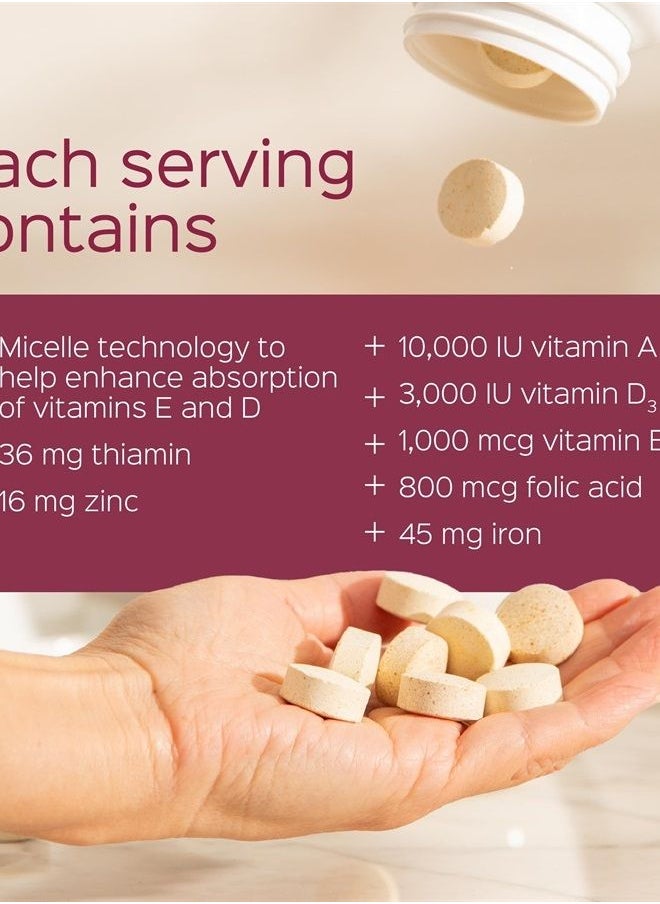
Implementing oral tablets in a chewable format has shown a significant increase in adherence rates among various populations. Studies indicate that this approach can improve compliance by up to 30% compared to traditional pill forms. This increase can be attributed to the enhanced palatability and ease of intake, allowing individuals to consume their medications without the struggle of swallowing whole pills.
| Population | Adherence Rate Increase (%) |
|---|---|
| Pediatric Patients | 35 |
| Older Adults | 25 |
| Individuals with Dysphagia | 40 |
Convenience plays a crucial role in the preference for chewable medications. Patients appreciate the flexibility of consuming their dosages without the need for additional aids like water. A survey revealed that 70% of participants preferred a chewable option over traditional tablets. Factors influencing this preference include:
- Ease of consumption
- Improved taste
- Less anxiety about taking medications

Leave A Comment